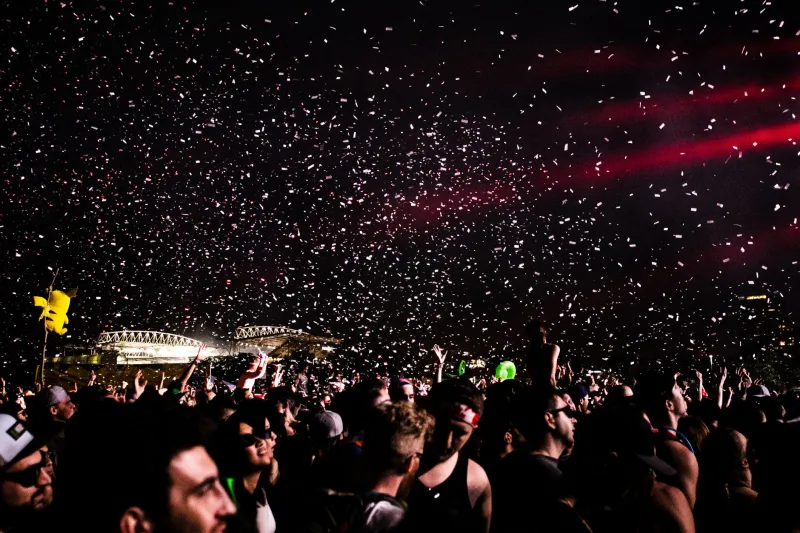
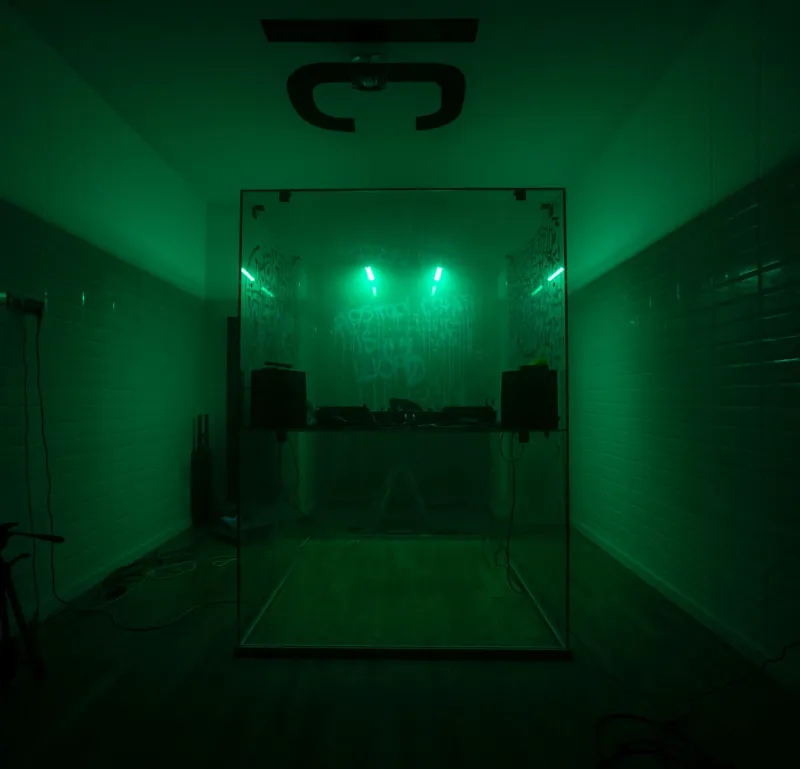
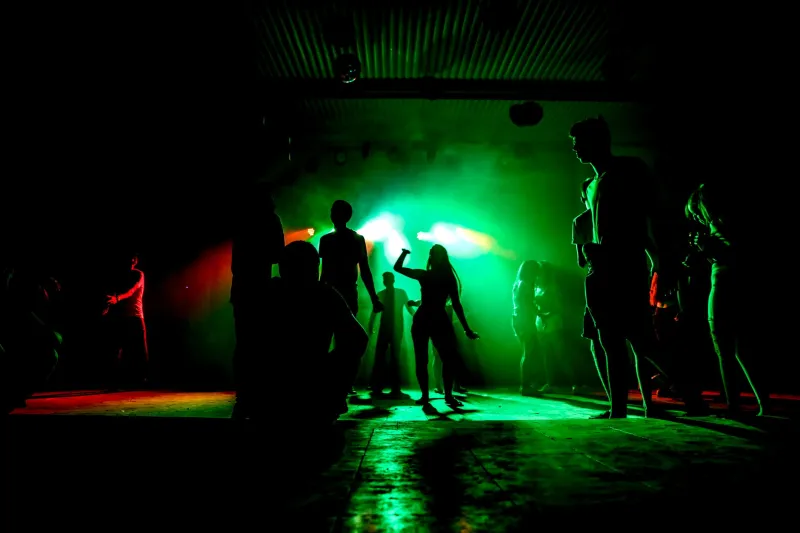
Sleep Is a Soundcheck: 72 Hours Riding Shotgun on a Midwest DJ Run
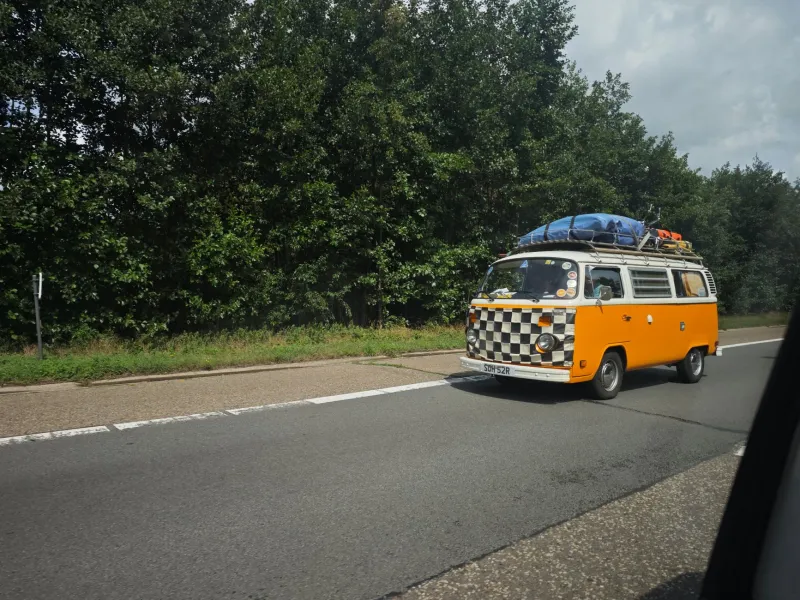
It's 4:17 AM outside a Pilot station in central Indiana, and the only person awake in the van is the driver. The rest of us — the DJ, his manager, and me — are folded into various states of collapse among the merch boxes, cable trunks, and one very aggressive cooler that keeps sliding across the floor every time we take a highway ramp. This is the part of electronic music that never makes it to the recap reel.
We're twelve hours into a three-night run: Columbus tonight, Indianapolis tomorrow, Chicago after that. Three cities, three different rooms, one borrowed Sprinter van with a suspension that has opinions. The DJ — let's call him Marcus, because that's his name, and because he didn't ask for anonymity, just for patience — has been doing this loop for six years. Not the festivals. Not the Vegas pool parties. The club circuit, where the real apprenticeship of American dance music happens.
The Van Is the Venue
People imagine the tour bus from the movies — LED lighting, a lounge, somebody's DJ friend playing FIFA in the back. The reality for the mid-tier American DJ is a rented passenger van with the seats removed, a memory foam topper thrown over a luggage platform, and a playlist curated by whoever lost the last argument about music.
Marcus sleeps maybe five hours a night on this run, and never in the same configuration twice. "You learn your body's weird flexibility points," he tells me somewhere outside Terre Haute. "Left shoulder's the good one. Right shoulder means we're driving too fast."
The van is also the office. Setlists get built here. Remix stems get traded here over spotty LTE. The van is where a track that flopped in Columbus gets diagnosed, dissected, and reworked before Indianapolis even knows it's on trial.
Gas Station Gastronomy
There's a whole hidden economy of the road, and it runs on taquitos. Marcus has a system — he'll tell you it's a system — involving protein first, caffeine second, and a hard rule about nothing with a gas station's own brand name on the label after 10 PM.
"You eat like garbage for a weekend and your set feels like garbage," he says, unwrapping a sandwich at a truck stop outside Anderson. "The crowd can't tell why. But they can tell."
There's truth buried in the joke. The unglamorous logistics — hydration, sleep, actually warming up your hands before a set — are the difference between a DJ who peaks on Friday and one who's still sharp on Sunday. Ask any veteran of the club circuit and they'll tell you the same thing: the road doesn't care about your brand. It cares about your stamina.
Soundcheck Is a Contact Sport
Columbus, 6:40 PM. The venue is a converted warehouse with a sound system that's one blown woofer past honest. Marcus spends forty minutes walking the room, playing reference tracks he knows cold, listening for the corners where the bass folds in on itself and the spots where the highs disappear entirely.
"This room lies," he mutters, standing dead center under the rig. "Everything sounds huge here. Then you go stand where they're standing and it's a different record."
This is the invisible labor. The 90 minutes before doors when a DJ negotiates with a house engineer, reroutes a cable, argues politely about monitor levels, and quietly adjusts the whole plan for the night based on how a room breathes. Nobody buys a ticket for soundcheck. Everybody hears it anyway.
The Floor Teaches You Things You Can't Stream
By Sunday night in Chicago — a proper room, a proper rig, a crowd that showed up early — something clicks that the first two nights were building toward. Marcus reads the floor in real time, pulls a track he'd shelved in Columbus, and the room answers. It's not magic. It's reps.
That's the thesis of the whole weekend, really. Streaming numbers and sync placements get the headlines, but careers in American dance music are still built the old way: in the van, at the gas station, during soundcheck, night after unremarkable night. The stage is where the work gets shown. The road is where it gets made.
Somewhere on I-90, somewhere past midnight, Marcus finally gets the good shoulder. Monday's problem is Monday's problem. There's a load-out to finish first.