Fine Print, Loud Demands: Inside the DJ Riders That Quietly Run America's Dance Floors
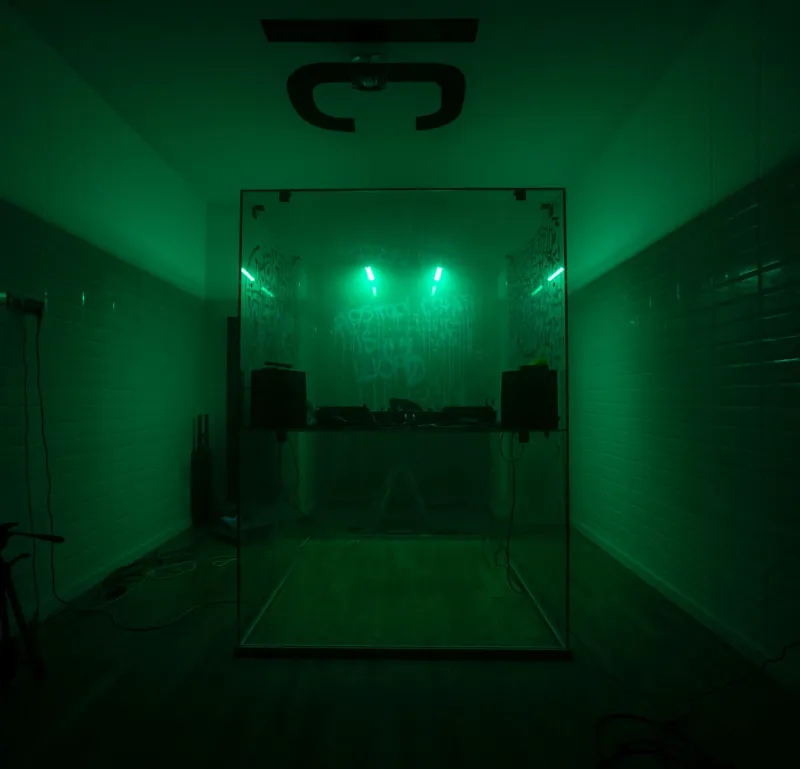
Before the crowd shows up, before the lights hit, before a single record plays — there's a document. Sometimes it's three pages of technical specs. Sometimes it's a single email that says "water and a table." And sometimes, if you're lucky, it's a request for a very specific brand of coconut water, two USB-C hubs, and a green room that absolutely cannot be next to the bass bins.
Welcome to the world of the DJ rider — the least glamorous, most revealing artifact in electronic music.
The Document Nobody Talks About
For the uninitiated, a rider is the list of requirements an artist attaches to their booking contract. Bands pioneered the format decades ago (yes, the legendary "no brown M&Ms" story is real). But DJs have turned it into something of an art form, because their technical needs are genuinely strange: no stage monitors facing the booth, a specific Pioneer model or the set literally won't work, and — increasingly — a hard line on internet speeds for streaming and file transfers.
"The technical rider is never the problem," says a promoter who's booked club dates across the Midwest for over a decade. "It's page two. Page two is where the personality lives."
What's Actually in There
Ask around the American festival circuit and a pattern emerges. The technical stuff is predictable: CDJ-3000s, a DJM-A9 mixer, booth output louder than the monitors, and lighting that doesn't blast the booth red. The hospitality page, though? That's where things get weird.
Real requests that promoters shared with us, lightly anonymized:
- The protein parfait incident. One headliner's rider specified a particular Greek yogurt brand "or equivalent." The promoter drove 40 minutes to a Whole Foods before load-in. "Equivalent" was not achieved.
- The silence clause. A producer asked that no music be playing in the venue during soundcheck. In a nightclub. "I explained that's not really a thing we can do," the venue manager told us. "They compromised on one song at low volume."
- The humidity note. An out-of-state act playing a Florida date requested a dehumidified green room to protect their gear. Fair? Absolutely. Fulfillable at a converted warehouse in July? Not even slightly.
- The dog. Yes, one artist tours with a dog. The rider asks for "a quiet room with a door" for the dog. The dog, by all accounts, is a professional.
None of this is diva behavior — or at least, not usually. Riders are a survival mechanism for people playing 150 shows a year.
Why the Fine Print Keeps Getting Weirder
There's a logic to the madness. A DJ rolling into a new city every night has no idea what they're walking into. The rider is a preemptive defense against the worst version of the night: the booth with a broken channel, the green room that doubles as a storage closet, the "catering" that's a bag of gas station chips.
The pandemic era made things stranger. With touring paused, many artists came back with longer, more detailed riders — more rest requirements, clearer health and safety language, stricter tech specs. Meanwhile, gear got more complicated. USB-C dongles, backup laptops, and specific cable lengths have become standard line items that would've baffled a vinyl-only selector in 2009.
"Ten years ago the rider was a bottle of vodka and a needle adapter," one festival production manager laughs. "Now it's a network diagram and a dietary restrictions spreadsheet. Honestly? It's an improvement."
What the Rider Reveals
Read enough riders and you start to see the touring economy clearly. The artists asking for a second hotel room "for rest" are usually the ones playing four cities in five days. The ones demanding specific snacks are often vegan or dealing with the reality that a 1 AM set in Tulsa offers exactly zero food options afterward. The lighting requests exist because a single misplaced par can in the booth can wreck an entire set.
There's also a hierarchy hiding in plain sight. A five-page rider means a team. A one-paragraph rider usually means someone's doing their own soundcheck, their own driving, and their own merch table.
The Takeaway
So the next time you're on a dance floor and everything just... works — the sound is right, the lights feel intentional, the DJ looks like a human being and not a burnt-out ghost — tip your cap to the fine print. Somewhere in a promoter's inbox is a document that made it happen, possibly with a note about yogurt brands in it.
Feel the frequency. Read the rider.