Permits, Patrols, and Pop-Up Dancefloors: The Long Road From Warehouse Bust to Festival Grounds
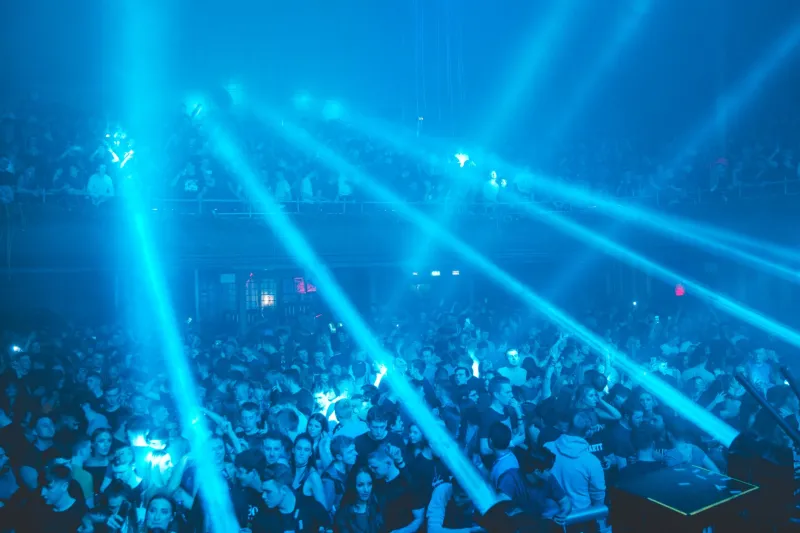
Every American rave starts the same way in the movies: a text with an address, a sketchy stairwell, a speaker stack humming in the dark. What the movies skip is the paperwork — or the lack of it. The history of dance music in this country is really a history of zoning law, insurance certificates, and city councils deciding whether a crowd of 300 people bouncing to four-on-the-floor is a cultural movement or a nuisance.
The Wild Years: Dancing Around the Fire Marshal
Chicago and Detroit built the blueprint, and neither city made it easy. In the late '80s and early '90s, the parties that launched house and techno lived in a legal gray zone by necessity. Loft spaces in the West Loop, shuttered industrial buildings off Woodward Avenue — these weren't venues, they were opportunities. Promoters rented them by the night, collected cash at the door, and prayed the night ended before the police cruiser made its second pass.
The crackdowns were real. After high-profile incidents in the mid-'90s and early 2000s, cities across the country leaned hard on rave culture. New Orleans and Miami passed ordinances targeting events with glowsticks and bottled water sales. Chicago's anti-rave ordinance from 2000 let police shut down parties based on little more than the promoter's flyer. The message was clear: this music could exist, but only somewhere the city couldn't see it.
The Turn: When Cities Stopped Fighting and Started Counting Revenue
Somewhere along the line, the math changed. Detroit's Movement festival — born from the demo scene on Hart Plaza — proved that electronic music could anchor a weekend's worth of hotel bookings and bar tabs. Miami folded Ultra into its calendar the way other cities fold in a marathon. What was once a police problem became a tourism product.
Los Angeles tells the sharpest version of this story. After years of tension between promoters and the county, the coliseum commission and major promoters hammered out safety frameworks that turned massive electronic events into repeatable, permitted business. The warehouse party didn't die — it got a business license.
The Hybrid Era: Underground in the Front, LLC in the Back
What's fascinating about the current moment is that both worlds run in parallel. The legal festival circuit — Electric Forest, EDC, CRSSD, Movement — operates at a scale the original ravers couldn't imagine. Meanwhile, the underground never left. Brooklyn, LA's Chinatown, Detroit's Eastern Market fringes: the pop-up scene is alive, just savvier. Promoters now know the fire code, hire medics, and carry event insurance. The illegality was always a little romanticized anyway; what people actually wanted was the freedom of the room, not the risk of arrest.
Some cities have even built lanes for it. Afterhours permits, flexible-use warehouse zoning, and cultural affairs boards that understand dance music is an economic engine — these are the quiet policy wins of the last decade.
The Next Decade: Real Estate vs. Rave
Here's the tension to watch: the spaces that made American dance culture possible are the ones cities are developing fastest. Warehouses become condos. Industrial corridors become breweries and then become luxury lofts. The next legal battle won't be cops versus ravers — it'll be rent versus culture. Expect more purpose-built venues, more rural festival grounds, and more fights over who gets to occupy the last affordable square footage in every major city.
The party will find a room. It always does. The question is whether the paperwork will let it stay.