Ringing Ears and Bottomless Coffee: In Defense of the Long Drive Home
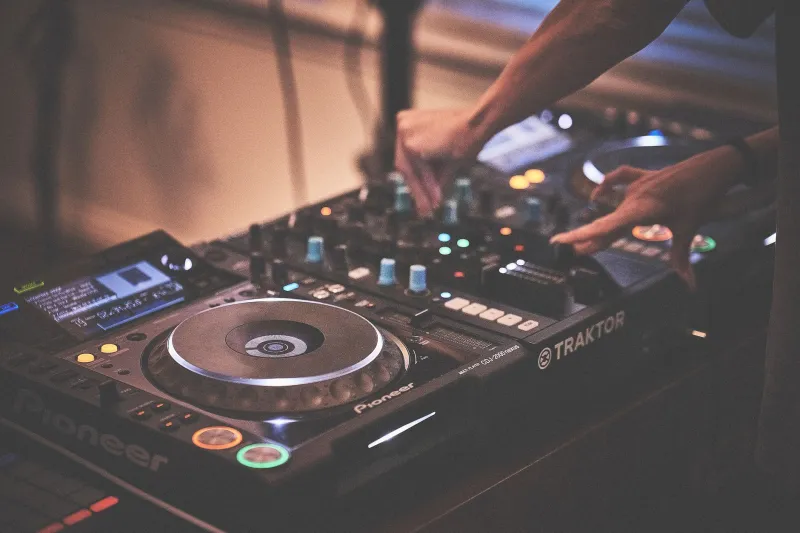
There's a specific silence that happens when a great night ends. The bass cuts, the house lights snap on, and suddenly you're aware of your own heartbeat, your damp shirt, the strange fact that four hours just evaporated. Everyone stands around in that post-set daze, doing the slow math of rideshares and last trains.
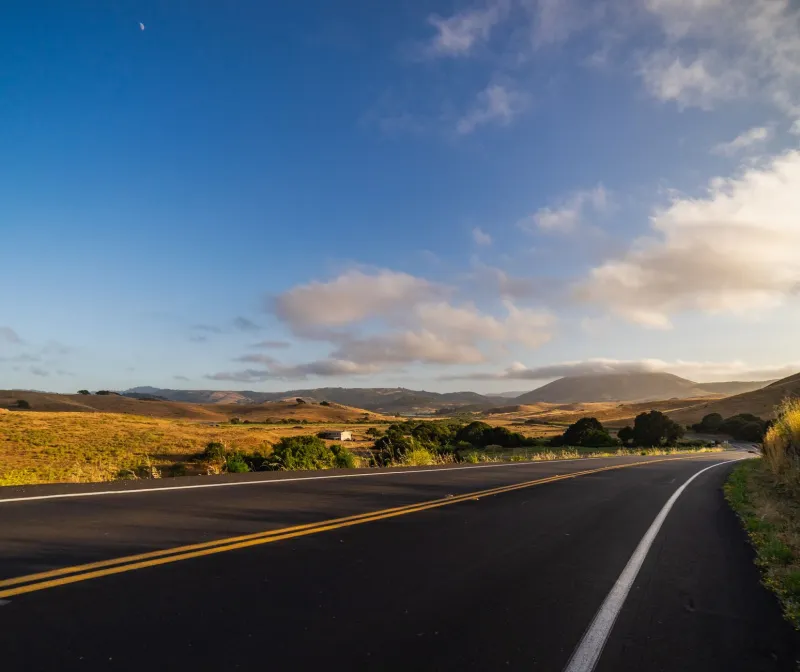
But for a certain kind of night owl — and I count myself among them — the night doesn't end at the venue door. It ends somewhere around 6 AM, in the driver's seat, with the windows cracked and the ears still ringing.
The Decompression Hour
Ask anyone who's driven home from a warehouse party at dawn and they'll describe the same thing: a body still buzzing at 140 BPM while the world outside moves at a crawl. Empty freeways. Traffic lights that turn green for no one. The sky doing that pale gray thing it does right before the sun commits.
Dance culture talks endlessly about the set — the drop, the visuals, the crowd energy — and almost never about what comes after. But I'd argue the aftermath is half the experience. The party is the wound; the drive home is the healing.
Psychologists would probably call it decompression. After hours of sensory overload — the sub-bass you feel in your sternum, the strobes, the crush of bodies — the brain needs a runway to land. The car is that runway. It's a sealed capsule where you can replay the night track by track, alone with your thoughts for maybe the only time all week.
The Diner Is Sacred
Every American city with a real scene has one: the 24-hour diner near the venue, the one that fills up at 4 AM with a very specific crowd. Glowing skin, sore feet, hoodies over festival tees, everyone speaking in the hushed, reverent tones of people whose ears haven't recovered.
The post-party diner order is a genre of its own. Bottomless coffee, no matter the season. Hash browns, scattered and smothered. Pancakes you will absolutely not finish. Conversations that circle back, again and again, to that one moment in the set — "when the acapella came in over that bassline" — retold with the detail of war stories.
There's a reason these diners persist. They're the afterparty for people who don't do afterparties, the place where strangers from the dance floor become friends because you both happened to need waffles at 4:30 in the morning.
Building the Ride-Home Playlist
Then comes the drive itself, and with it, the most underrated art form in dance music culture: the ride-home playlist.
The rules are unwritten but strict. Nothing from the night itself — that's what your brain is already doing, unbidden. Instead, you want the sonic opposite. Ambient records that feel like a cold glass of water. Slow, warm soul. Something with actual silence in it. The goal is to bring your heart rate down from 140 to resting without the jarring halt of just... stopping.
One friend of mine has a rule he swears by: the first three tracks home must be instrumental. "No vocals," he says. "I've been listening to words all night. I need texture, not language." Another keeps a dedicated playlist titled, simply, "Landing."
Whatever your method, the principle holds: the way you come down shapes how you remember the night. Rush the landing and you wake up feeling like you got hit by a truck. Take the long way, the slow tracks, the diner detour, and you wake up with something closer to gratitude.
Why It Matters
We live in an era where the night can be documented, posted, and discarded by sunrise. The 6 AM drive home is the last unrecorded part of the experience — no cameras, no stories, no audience. Just you, the road, and the afterglow.
So the next time the lights come up and your crew starts eyeing the exit, consider stretching the night one chapter longer. Get the hash browns. Take the long route. Let the ringing in your ears fade to the sound of tires on asphalt.
Feel the Frequency. Live the Night. And when it's over, drive it home slow.