Who's Actually Watching at 9 PM? The Case for the Most Underrated Set of the Night
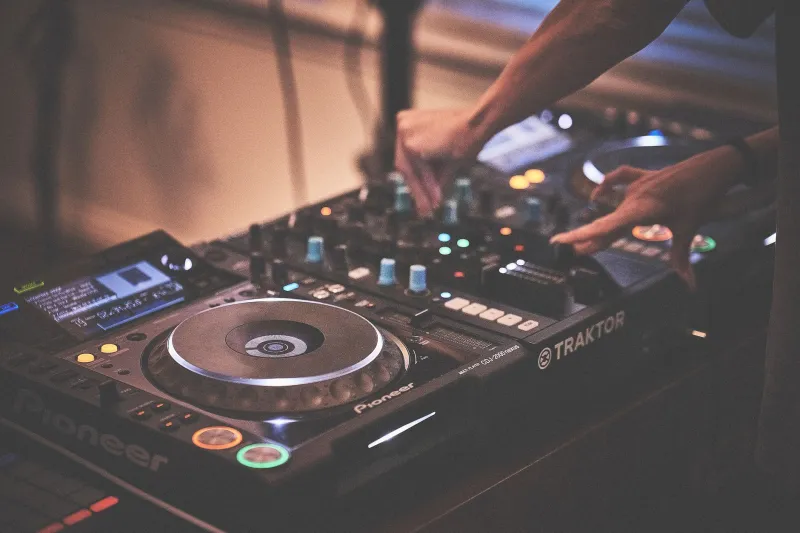
There's a ritual playing out in every American club on a Friday night, and most of us are guilty of it. The doors open at nine. The headliner goes on at one. And somewhere in between, there's a DJ standing in front of thirty people and a bartender, playing like the room is packed.
Here's the uncomfortable truth: that might be the most interesting set of the entire night.
The Math Nobody Wants to Do
Headliners command the biggest fees, so naturally, they play the safest sets. When a promoter is cutting a five-figure check, they're not paying for experimentation — they're paying for the three tracks everybody screamed for at the last festival. It's not a character flaw. It's business. The room is full, the money is spent, and the pressure to deliver a crowd-pleasing hour is enormous.
Now flip it. The DJ on at 9:30 has no paycheck pressure, no expectations, and a half-empty floor. That's not a downgrade. That's freedom.
"The early slot is the only time I can play a record that's ninety percent weird," says a Brooklyn-based selector who asked to go by her alias, since her bookings depend on staying diplomatic. "At peak time, one wrong move and the dance floor empties. At nine PM? There's no dance floor to lose. I can build a whole narrative."
What the Regulars Know
Ask the people who show up when the doors open — the door-time lifers, the ones nursing a first drink while the sound guy finishes the monitors — and you'll hear a common confession: they came early on purpose.
"I found my favorite DJ at 9:45 in front of maybe forty people in Chicago," says Marcus, a regular at warehouses and loft parties across the Midwest. "Nobody was filming. Nobody was talking through it. It was just music for the people who cared enough to show up."
There's a name for this window in scene vernacular: the magic slot. It's the hour when a DJ can warm the room up with deep cuts, unreleased edits, and genre detours that would be suicide at 1 AM. Historically, some of dance music's most respected names built their reputations exactly this way — long, patient warm-up sets that treated the night like a slow-cooked meal instead of a microwave sprint.
The Promoter's Dilemma
Talk to promoters and you'll get a mix of agreement and resignation. They know the early sets are often the best. They also know most ticket buyers won't arrive until the headliner is forty minutes from going on.
"I've watched openers absolutely cook while half the venue is still in line for the coat check," one Midwest promoter told me. "You can't force people to come early. But the ones who do? They never regret it."
Some American venues are fighting back. Early-door pricing, discounted first-hour drinks, and even billing openers with equal font size on the flyer — small nudges to retrain a crowd that's been conditioned to treat the opening DJ as furniture.
How to Rediscover the 9 PM Slot
If you want to fall back in love with clubbing, start here:
- Show up when doors open, once a month. Just once. Pick a night with a lineup you trust and get there at nine.
- Position yourself where the DJ can see you. Nothing changes a warm-up set faster than one person visibly locked in near the booth.
- Don't check your phone between tracks. The early slot rewards attention in a way peak time never can.
- Follow the opener, not just the headliner. Some of the best selectors in the country take early slots specifically because they can play what they want.
The headliner will still be there at one o'clock, playing the hits to a full room, and that's fine — that's the show you paid for. But the night's real story often gets told in the first two hours, when nobody's watching and anything goes.
Feel the Frequency. Live the Night. Just maybe get there a little earlier than you used to.