Where the Real Sets Live: Inside America's After-Hours Underground
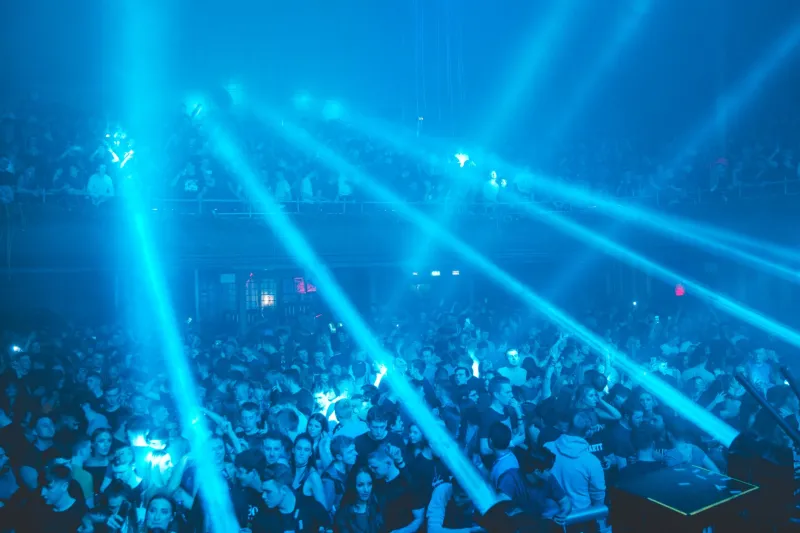
The festival grounds emptied at 12:40 AM. Security was waving people toward the exits, the main stage lights were bleeding into the parking lot, and somewhere across town, a touring DJ was loading his gear into a friend's Honda Civic. He had already played his slot. He was about to play the one that mattered.
Welcome to the after-hours — the unofficial second wave of American dance culture, where the sets are longer, the music is weirder, and nobody's checking a rider.
The Set That Doesn't Exist
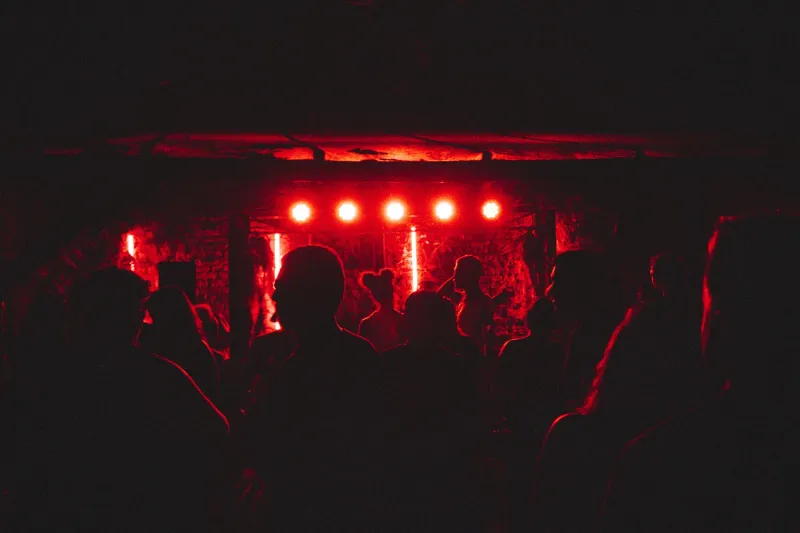
Ask around and you'll hear the same story from different cities. In Detroit, it's a loft above a print shop with a soundsystem that costs more than the rent. In Miami, it's a hotel suite during conference week where the bathroom line doubles as the VIP section. In Brooklyn, a laundromat that turns into a proper club once the shutters come down.
What ties them together is the absence of a booking. These aren't gigs in the traditional sense — there's no contract, no advance, often no door charge beyond a Venmo link and a password shared in a group chat that morning. The DJ plays because the room is right. The crowd shows up because the music is free of expectations.
"Festival sets are a performance," one Detroit promoter who runs a roving afterparty series told us. "Afterparties are a conversation. That's where an artist finally plays the record they actually love but can't sell to a main stage."
Why Artists Go Deeper After Midnight
There's a simple economic logic here: a headliner flying home Sunday morning isn't earning anything extra by playing a loft at 4 AM. So when they do it, it's pure. It's the set they'd play for friends, stretched across three or four unhurried hours.
Touring DJs describe it as a pressure release valve. The festival slot demands the hits, the edits, the recognizable anchors every fifteen minutes. The afterparty asks nothing. That's where you'll hear the dusty italo, the ambient builds, the ten-minute grooves that would clear a main stage but absolutely electrify forty people at dawn.
Some of America's most respected selectors built their reputations almost entirely in these rooms. Ask any serious dancer which set they remember most from a given weekend, and the answer is rarely the headliner. It's the B2B at 5 AM. It's the unannounced guest nobody clocked until the second track.
The Shadow Economy
Here's what the industry is still figuring out: this scene runs on almost no money, and that's precisely its strength. No sponsor activations. No bottle service minimums. No photo pits. The costs are a soundsystem rental, a cooler of seltzer, and whatever the door — if there is one — covers.
But it's not without friction. Fire codes don't care about the vibe. Neighbors do. Landlords definitely do. Promoters in several cities describe a cat-and-mouse rhythm: location announced day-of, capacity capped by word of mouth, everything gone and scrubbed by sunrise. It's the modern version of the warehouse era, minus the danger and with much better speakers.
Clubs have noticed too. A growing number of venues now program official "after-hours" slots with extended set times, betting that dancers want the deep-cut experience without the renegade logistics. Some artists take those bookings. Many still prefer the loft.
What It Means for the Culture
The afterparty is doing something the mainstream American scene spent a decade forgetting how to do: it rewards patience. There's no drop to wait for, no countdown, no confetti. Just a room full of people who chose to be there at an hour when everyone else went home.
That's not a niche anymore. It's a training ground. The DJs who can hold a room at 6 AM — with no hooks and no hype — are the ones who can hold a room anywhere. More than a few festival headliners earned their stripes in exactly those rooms, and they'll tell you so without hesitation.
So next weekend, when the final set ends and the crowd floods toward the exits, watch who doesn't leave. Follow the group chat. Feel the frequency at the hour nobody booked.
That's where the night actually lives.