Sunrise Duty: The Quiet Brotherhood of DJs Who Play Until the Light Comes In
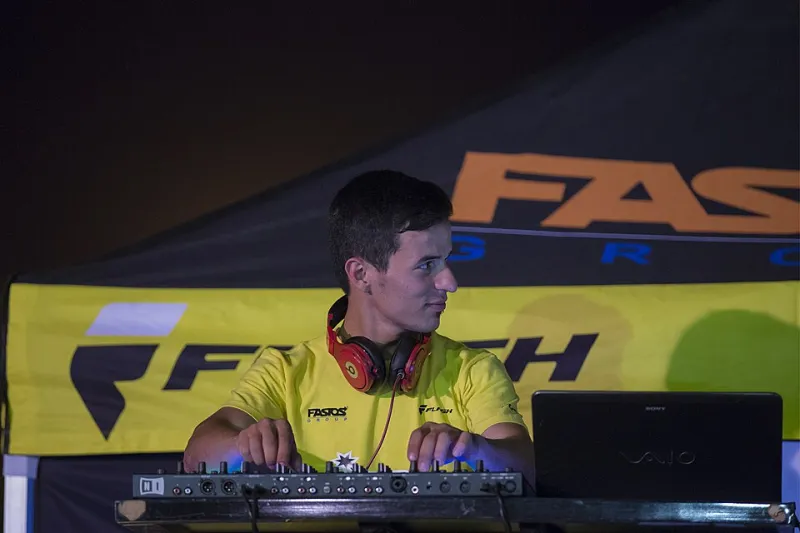
Photo: Mostafameraji, CC BY-SA 4.0, via Wikimedia Commons
There's a moment every afterparty DJ knows by heart. It's somewhere around 4:30 AM, when the bouncer stops carding people because there's nobody left to card, and the dance floor has winnowed down to a core crew of heads who have clearly made their decision about how this night is going to end.
That's not a failure of the party. According to the DJs we spoke with, that's the actual party.
The Room After the Room
"The main floor is a performance," says Marisol Vega, a staple of the Denver underground who's held down closing slots at lofts, warehouses, and one memorable laundromat takeover. "The 5 AM room is a conversation. You're not playing for the crowd anymore. You're playing with the people who stayed."
That shift changes everything about track selection. The big-room weapons come out of the bag. What replaces them is stranger, warmer, and often way older. Vega describes her sunrise toolkit as "dusted soul 12-inches, dub cuts, and anything with a hi-hat that sounds like it's tired too."
In Detroit, where afterparty culture is practically a civic institution, closing DJ Antoine Reeves puts it more bluntly: "At 5 AM you can't lie. The track either means something or it doesn't. Nobody's performing anymore, including you."
What Actually Gets Played
Ask five closing DJs what lives in the sunrise crate and you'll get five different answers — but certain patterns keep surfacing.
Slowed tempos. A surprising number of closers drop below 120 BPM as the night winds down. Not to kill the energy, but to let the room breathe. "You match the heartbeat of someone who's been dancing for six hours," Reeves explains.
Vocals that sound like a confession. Weary soul, lo-fi house with cracked vocal samples, the occasional entire Motown record played straight. One Brooklyn selector admits to closing with the same Al Green track for four years. "Nobody's ever complained. They just hug each other."
The long, patient blend. At sunrise, mixing becomes less about beatmatching and more about layering moods. Two records can share the air for three or four minutes, neither one fully arriving, both just... coexisting.
Who's Still There?
The sunrise crowd is its own ecosystem. There are the industry stragglers networking on fumes, sure. But the regulars — the ones DJs actually play for — are a mix of service industry workers decompressing after their own shifts, diehard dancers chasing that specific endorphin plateau, and the quietly devoted who treat the afterparty as the main event.
"These are the people who will remember your set for years," says Vega. "The 500-person crowd forgets you by Tuesday. The twelve people at 5 AM? They'll bring it up every time they see you for the rest of your life."
The Economics of the Long Goodbye
Here's the unglamorous part: closing slots rarely pay what they're worth. Promoters budget for peak hours, and the 4-to-8 AM stretch is often comped, bartered, or paid in the universal currency of cold pizza and a ride home.
So why do it? Ask around and the answers circle back to the same idea. Playing sunrise is how you earn your reputation among the people who matter — other DJs, the true heads, the ones who will book you someday for the room you actually want to play.
"Anybody can play peak time," Reeves shrugs. "Show me what you do when there's nothing left to prove. That's who you are."
The light comes through the windows eventually. The track ends. Somebody puts on the kettle. And somewhere in an industrial loft in Portland or a basement in Chicago, a DJ plays one last record for the people who never left — and they all know exactly why.