Body on Tour: 24 Hours Inside the Exhaustion Nobody Posts About
7:14 AM, Somewhere Over Colorado
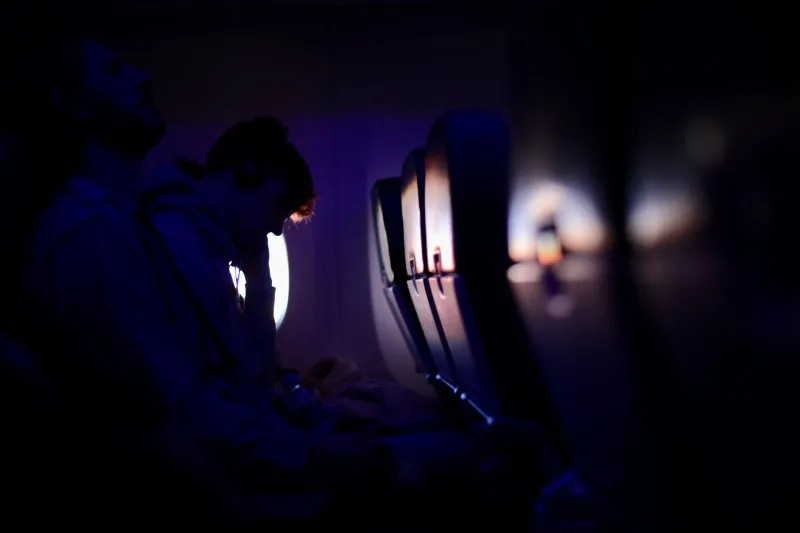
The DJ in seat 14C hasn't slept. He won't call it a red-eye anymore — he calls it Tuesday. His body is running on a cold brew from a Denver gas station, four hours of hotel sleep, and the leftover adrenaline from a set that ended at 2:40 AM in a room that smelled like fog juice and spilled seltzer.
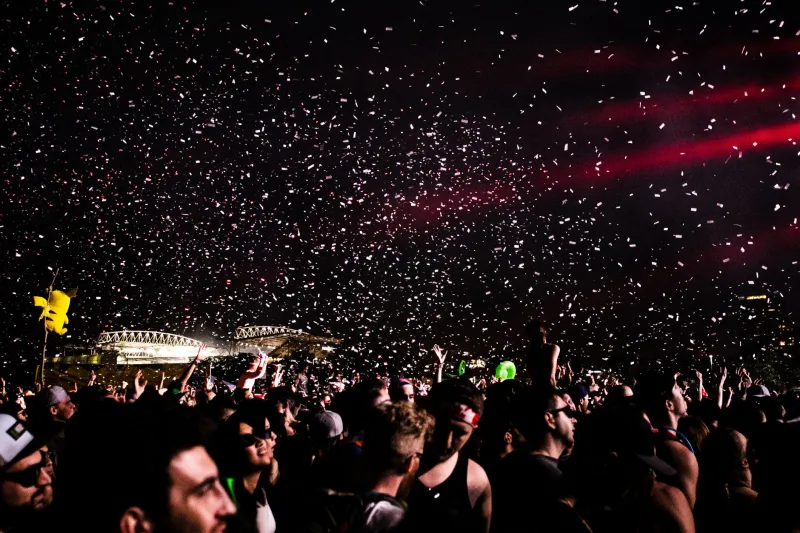
This is the part of tour life that never makes the recap video. The crowd sees ninety minutes of a man behind CDJs with his hand in the air. The body lives the other twenty-two and a half hours.
"People think the show is the job," he told me, somewhere over the Rockies, eyes half-shut. "The show is the reward. The job is everything your body does to get there."
The Anatomy of a Tour Day
Break down a single 24 hours on an American club run and the math gets ugly fast. Load-in and soundcheck in the early afternoon, usually after a night of compromised sleep in a hotel where the AC sounds like a broken hi-hat. Hours of waiting — tour managers call it "hurry up and wait" — then the performance, which is less dancing and more a standing workout: shoulders locked, hips moving, brain running real-time set decisions for two hours straight.
Then the come-down. Not the fun kind. The chemical kind.
"After a show, your body is flooded with cortisol and adrenaline," explains Dr. Elena Ruiz, a sports-medicine physician in Austin who counts several touring electronic artists among her patients. "The crowd goes home. The DJ's nervous system is still at 140 BPM. That's why they're staring at hotel ceilings at 4 AM when the flight leaves at 6."
Dr. Ruiz has seen the pattern enough times that she describes it like an athletic season. "These are athletes," she says flatly. "Except athletes get an offseason. Touring DJs get a weekend."
The Tour Manager's Ledger
If the DJ is the engine, the tour manager is the person quietly checking the oil. Marcus Bell has run tours across the US circuit for over a decade — club hops through the Midwest, desert festival runs, the whole map.
His job, he says, is less logistics than physiology. "I'm watching their hands. Are they shaking? I'm watching what they eat. Did they eat? When somebody's on week three and they stop arguing about food, that's the red flag. That's when they've stopped caring."
Bell keeps a mental checklist that reads like a triage sheet: hydration, daylight exposure, vocal strain from shouting over booths that were never designed for conversation. "The booth is the loudest place in the building," he laughs. "They're screaming 'how we feeling, Chicago' for four weekends straight. That's a real injury."
He's not exaggerating. Hearing specialists have been sounding the alarm for years about DJs, who absorb sound from the monitors at close range night after night, often without protection because earplugs "mess with the mix."
The Quiet Epidemic
Burnout in the electronic scene rarely announces itself. There's no dramatic collapse — just a canceled Thursday gig here, a "personal reasons" Instagram story there, a producer who hasn't released anything in eighteen months and nobody asks why.
Dr. Ruiz puts it in blunt terms: "I've had artists describe their tour schedule to me and it meets every clinical marker of chronic overtraining. Elevated resting heart rate, disrupted sleep architecture, mood suppression. If a football player showed up with this, there'd be an investigation."
The economics don't help. The American club circuit pays inconsistently, flights get booked for cost rather than sanity, and the pressure to stay visible in an algorithm-driven scene means the off switch never really turns off. Rest doesn't trend.
Small Fixes, Real Ones
The encouraging part: the culture is shifting, slowly. Younger artists talk openly about sleep the way an earlier generation talked about afterparties. Some tour riders now specify blackout curtains and real meals. Bell builds "nothing days" into routing — twenty-four hours with no flight, no show, no soundcheck, just a city and a bed.
Dr. Ruiz prescribes the unglamorous stuff: hydration schedules, strategic napping, actual earplugs, and treating the tour like a training block with recovery built in.
"The artists who last," she says, "are the ones who stop treating their body like a rental car."
Back on that flight over Colorado, the DJ finally falls asleep somewhere over Kansas, head against the window, the next city already loading on his phone. Twenty-four hours from now he'll do it all again — soundcheck, show, ceiling stare, runway.
The crowd will cheer for the drop. His body will pay for everything around it.
Feel the frequency. But maybe also, get some sleep.