Empty Floors, Full Memories: A Road Trip Through America's Lost Dance Temples
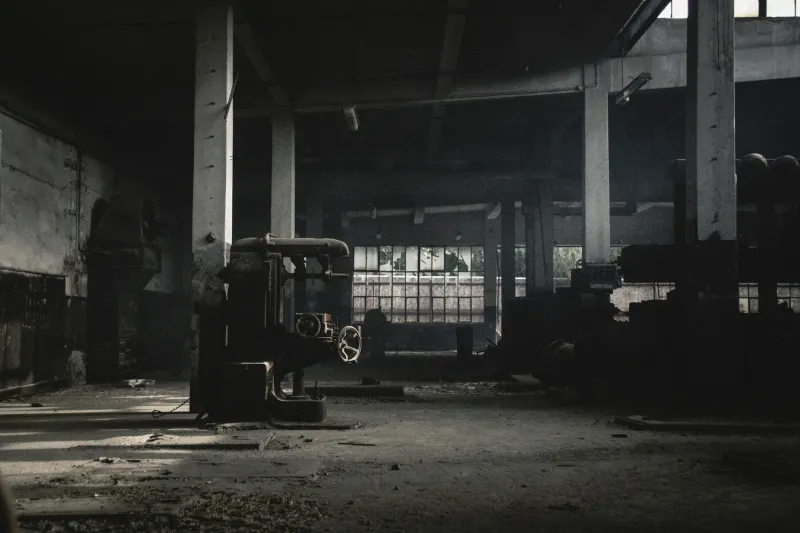
There's a moment that happens when you pull up to an address you've only ever heard about in hushed, reverent tones. The GPS chirps. You've arrived. And you're staring at a chain-link fence. Or a parking garage. Or — in the case of one Detroit stop on this particular pilgrimage — a vape shop with a hand-painted OPEN sign flickering against the afternoon sun.
This is the strange reality of chasing America's ghost venues: the rooms that built a culture are mostly gone, and what's left is memory, rumor, and the occasional rusted I-beam.
The Addresses That Don't Answer Back
Start in Detroit, because you have to. The warehouses along the river, the spaces that carried names like the Music Institute — a room so small and so singular that three decades later, people still describe the exact corner where Derrick May used to stand. The Institute lasted barely a year. Its influence has lasted a lifetime. Today the block hums with casino traffic and Greektown foot traffic, and if you didn't know, you'd never know.
That's the thing about dance music's sacred geography. Unlike a stadium or a famous theater, these were never places built to be remembered. They were industrial leftovers, rented by the night, polished by sweat and strobe light, and discarded when the lease ran out or the cops showed up. The ephemeral nature was the point — and now it's the problem.
Head east to New York and the story repeats with a different accent. The Tunnel. Sound Factory. The Roxy. Manhattan real estate ate them all, one luxury condo at a time. The old Twilo space under the West Side Highway has been carved into the kind of high-rise amenities brochure you'd find in an airport magazine. The sound system that made your ribcage hum? Long scrapped. But ask any veteran New York selector about that room and watch them go somewhere else for a second.
Miami's 4 AM Ghosts
Then there's Miami, a city that has bulldozed its own nightlife history more times than anyone can count. The after-hours spots of the '90s and early 2000s — places where the party started when everyone else's ended — are now valet stands for brunch spots. One legendary South Beach room, famous for marathon sunrise sets and a DJ booth that felt closer to an altar, is now a upscale retail space selling sneakers at prices that would've covered a year of door covers.
A Miami promoter who came up in that era, and who asked to keep the venue names vague for reasons that become obvious once you hear the stories, put it plainly: "Those rooms weren't about the room. They were about permission. Permission to stay. Permission to be whoever you were at 6 AM on a Tuesday. You can't zone that into a building."
What Actually Gets Lost
Here's the question that kept surfacing across every mile of this trip: when a venue dies, what do we actually lose?
The romantic answer is history. The practical answer is more complicated. Veteran ravers will tell you it's the specific alchemy — a low ceiling that trapped the warmth, a DJ booth positioned like a pulpit, a crowd small enough that everyone recognized everyone by the third weekend. You can't engineer that into a 5,000-cap warehouse with LED walls and a craft cocktail menu. Modern venues are spectacular. They are not, and cannot be, those rooms.
But there's a counterpoint worth sitting with. The scene was never really about the buildings. The kids in Detroit didn't have a venue — they had a mindset, and they found four walls to put it in. When one closed, another opened. The culture migrated, mutated, survived. Chicago's loft parties became Milwaukee's loft parties became unmarked doors in Denver and Portland and a field outside Chattanooga. The ghosts are sad, sure. But they're also proof of life.
The Pilgrimage Is the Point
Somewhere outside Cleveland, I stood in a gravel lot where a legendary one-night-only party happened in the late '90s — a story told and retold until the details have gone soft around the edges. Nothing marks the spot. No plaque, obviously. Just gravel, a distant highway hum, and the knowledge that on one specific night, this exact patch of Ohio was the center of somebody's universe.
And honestly? That might be the most electronic music thing imaginable. A culture built on the temporary, the ephemeral, the one-night-only, leaves behind exactly what you'd expect: almost nothing, and everything.
The floors are gone. The feeling isn't. Every time a new generation finds an empty warehouse, a rented loft, a rooftop with a borrowed soundsystem, the ghosts get a little company. Feel the frequency. The rooms change. The night doesn't.