Ink on the Flight Case: The Private Habit That Separates DJs Who Grow From DJs Who Repeat
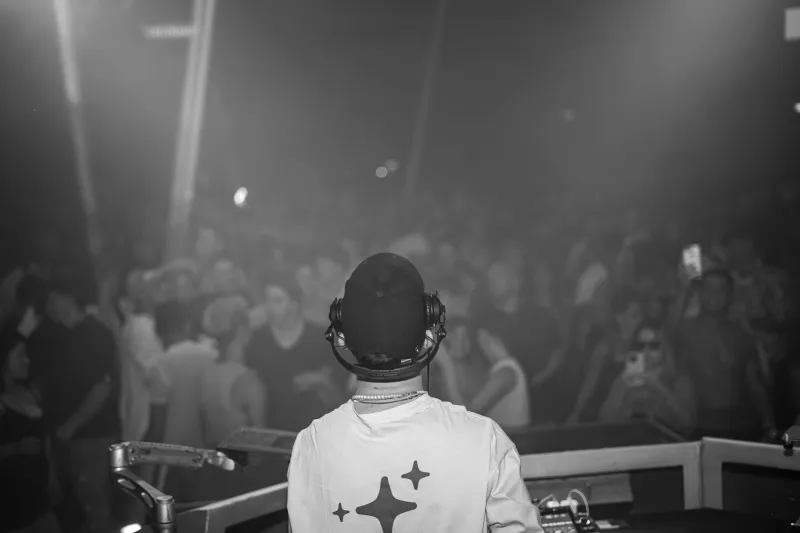
The crowd has gone home. The lights are up. The resident is coiling cables while you're still standing at the booth, and instead of packing your headphones, you pull out a beat-up notebook and start writing.
This is the part of DJing nobody films. And according to a growing number of working selectors across the US club circuit, it might be the most important ten minutes of the entire night.
The Post-Mortem Nobody Talks About
Ask around backstage at spots from Brooklyn to Portland and you'll hear versions of the same confession: there's a notebook, a notes app, a voice memo recorded in the rideshare home. What goes in it isn't glamorous. One touring DJ we spoke with described pages of scrawl like "the 126 track killed it" and "crowd checked out during the ambient run — too early, own it."
That's the raw material of improvement. Not the set itself — the memory of it, captured before the fog of adrenaline and cheap beer rewrites history.
Here's the uncomfortable truth: your brain is a terrible witness. By the time you wake up in a Motel 6 outside Cleveland, that transition you thought was magic has already morphed into something legendary in your head. Was it? The note you wrote at 2:47 AM says it was slightly rushed and the low end fought the room. Believe the note.
What Actually Goes in the Book
The habits vary, but the categories repeat:
- Crowd response, track by track. Not every song, but the peaks and the dead zones. What pulled people forward? What sent them to the bar?
- Technical failures and near-failures. The booth monitors were mono. The CDJ skipped on a hot cue. These notes save future-you from repeating a disaster.
- Room and sound system observations. Every venue is different. A warehouse in Detroit behaves nothing like a rooftop in Miami, and the DJs who last are the ones who remember why.
- Setlist decisions that backfired. The risky genre pivot that flopped. The sure thing played too early. Honest accounting of your own choices is the whole game.
- One thing to do differently. The best journalers end every entry with a single actionable takeaway. Not a paragraph of self-critique. One sentence.
Why Most Artists Plateau
There's a common pattern in every creative field: the artist hits a competent level and stops growing, not because they stopped playing, but because they stopped reviewing. They play 100 sets a year and treat each one as a fresh start rather than a data point.
The DJs who evolve treat every set as an experiment. The notebook is the lab report. Without it, you're just accumulating hours. With it, you're accumulating information — and information compounds.
Think about it in plain terms. If you play twice a month and log even three honest observations per set, that's over 70 pieces of real feedback a year. That's more actionable intel than most producers get from a year of social media comments telling them the set was "fire."
The Bedroom Producer's Version
You don't need a residency to start this. If you're streaming sets from your bedroom or playing a friend's house party in the suburbs, the loop works the same:
- Record everything. Audio, video, whatever. Memory is unreliable; files are not.
- Review within 24 hours. Later than that and the story starts editing itself.
- Write three lines minimum. One thing that worked. One thing that didn't. One thing to try next time.
- Read old entries before you play. The notebook only pays off if it's actually consulted. Ten minutes of review before a set beats an hour of crate digging.
- Track patterns over months. The single notes become trends. Maybe your genre switches always land better after 1 AM. Maybe your energy dips whenever you front-load your best material. You can't see that in the moment. You can see it on the page.
The Unsexy Path to Getting Good
There's a romance to DJ culture that celebrates instinct — reading the floor, living in the moment, trusting the vibe. And sure, instinct matters. But instinct is just compressed experience, and experience without reflection is just repetition.
The next time you see a DJ calmly navigate a dead floor at 11 PM, or salvage a set after a gear meltdown, understand that you're probably watching the payoff of a hundred scribbled pages nobody was ever meant to read.
Grab a notebook. Or open a doc. Whatever you use, use it honestly. The floor will teach you everything — if you write down the lesson before you forget it.
Feel the Frequency. Live the Night.