Wax and Bass: How Vinyl Refused to Die on America's Dance Floors
The Format That Wouldn't Quit
Every few years, someone declares vinyl dead. And every few years, the record shops prove them wrong — especially in dance music, where the 12-inch never really left. Walk into shops like Los Angeles' Mount Analog, Chicago's Gramaphone, or Seattle's Wall of Sound and you'll find crates thick with house, techno, and jungle pressings, alongside kids who weren't born when CDs supposedly killed the format the first time.
This isn't nostalgia. It's infrastructure.
Why Dance Music Never Let Go
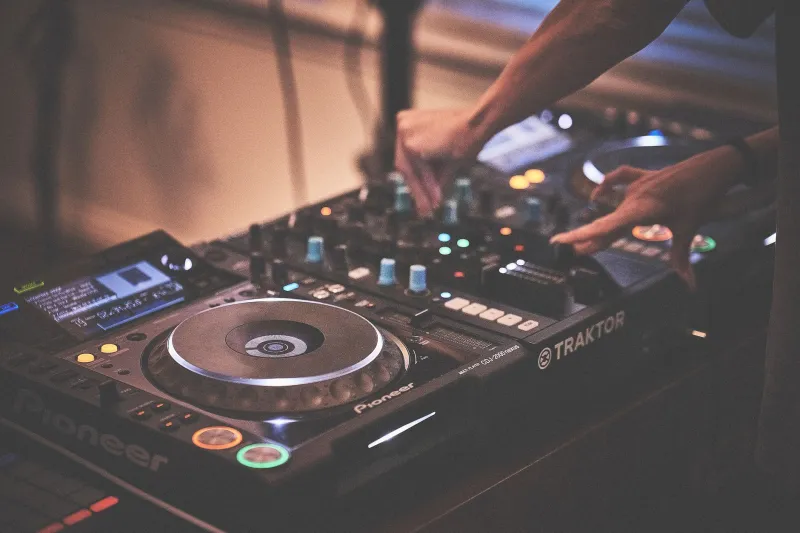
Vinyl and electronic music grew up together. The 12-inch single was the original DJ tool — long-form mixes, extended breakdowns, the raw materials of the craft. American dance music was literally built on wax: Chicago house 45s pressed in small runs, Detroit techno shipped to Europe in record bags and brought back as legend.
So when the format collapsed everywhere else, dance music held the line. Labels kept pressing. Selectors kept digging. And a new generation, raised on streaming's infinite buffet, started asking the obvious question: if the music all sounds the same in a playlist, what makes a DJ worth watching?
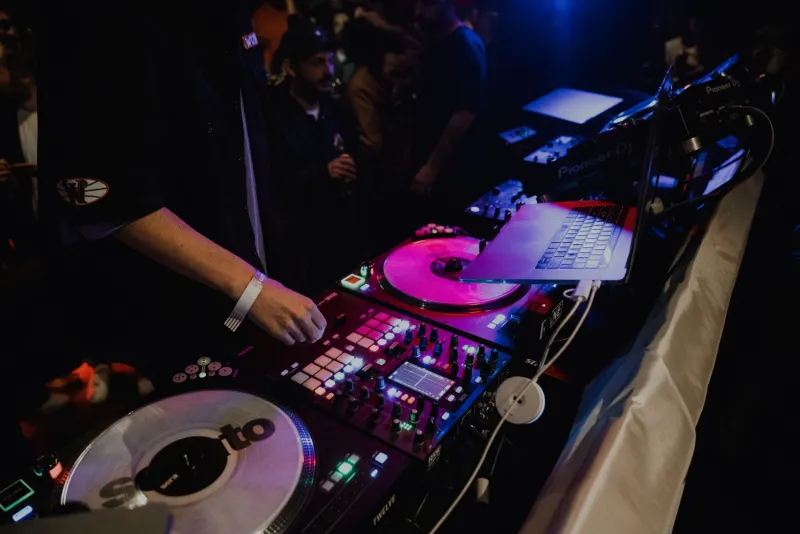
For a growing number of them, the answer is a pair of turntables.
The Economics of Doing It the Hard Way
Let's be honest about what playing vinyl actually costs. New dance pressings run $12–15 a pop, sometimes more for imported or limited runs. A working selector might carry 80 to 100 records to a gig. Do the math — that's a four-figure record bag and a very sore shoulder.
And yet small labels keep pressing. Part of it is scarcity as identity: a 300-copy run can't be found on a playlist, which makes it currency in a scene that runs on insider knowledge. Part of it is the collectors, the heads who'll drive three hours for a record fair and think nothing of it. The US market has quietly become one of the healthiest in the world for niche dance pressings, sustained by an ecosystem of shops, fairs, and Discogs rabbit holes.
Authenticity, Real and Perceived
Here's where it gets contested. Plenty of crowds equate vinyl with legitimacy — the visible effort, the needle drop, the fact that a mistake can't be undone with a sync button. There's real craft in beatmatching by ear, and everyone knows it.
But the vinyl-vs-digital debate can curdle into gatekeeping fast. Plenty of brilliant DJs play off CDJs or a laptop, and plenty of vinyl selectors are coasting on aesthetics. The format doesn't play the records; the person does. The honest take: vinyl is one discipline among many, and its real value isn't moral — it's practical. Digging through crates teaches you music history in a way a search bar never will. Owning 200 records forces you to know them.
The Feel Argument
Ask the people who've stayed loyal and the answers get less technical. They talk about the sound — the warmth, the weight, the physical presence of a record spinning in the booth. They talk about ritual: flipping through crates before the gig, pulling out the one record they've been saving for weeks. They talk about attention, the way a finite record bag makes every track a decision instead of an option.
That's the quiet case for wax in 2025 and beyond. Not that it's superior, but that its limitations produce intention — and intention is the thing audiences can actually feel.
So next time you're at a show and the DJ is flipping through a crate instead of a folder, stick around. You're watching one of the oldest traditions in American dance music refuse, politely and persistently, to die.