Nobody's on the Decks: The Secret Art of the Walkaway Track
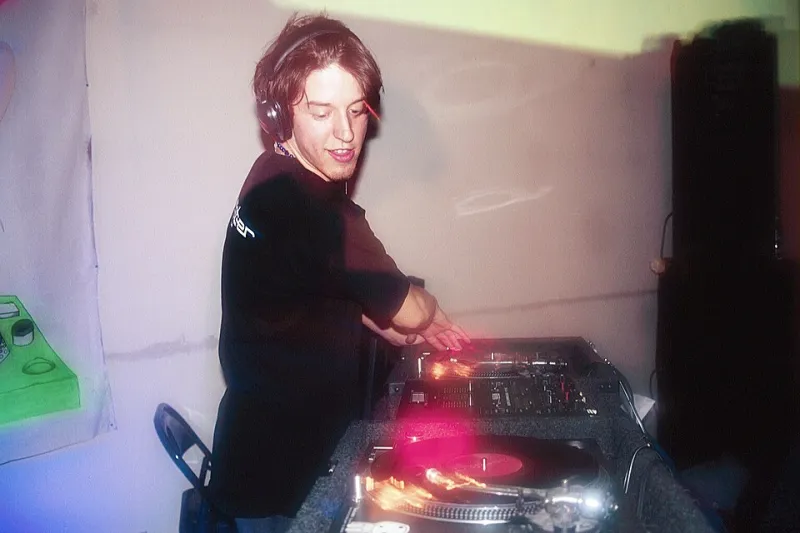
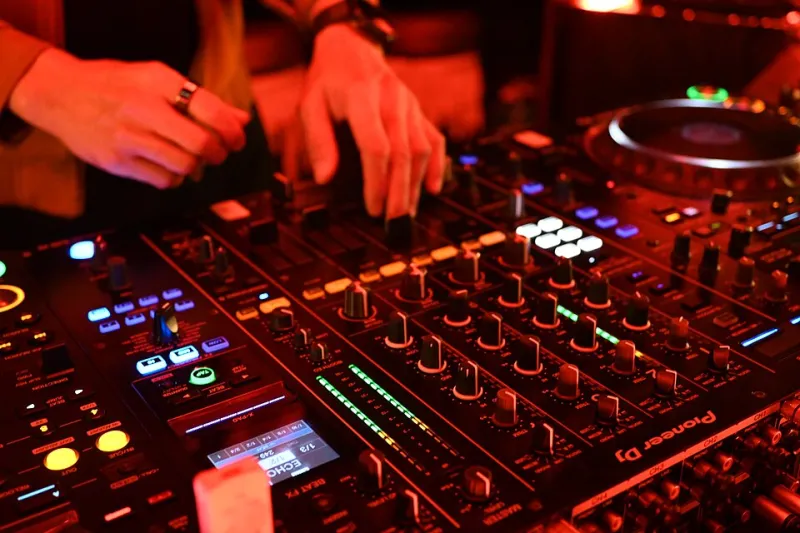
Here's a truth nobody puts on a flyer: some of the most revealing music of any night happens when the DJ isn't there. The booth sits empty, the smoke machine hums, and a record rolls on with absolutely nobody working it. Call it the walkaway track — the song a selector cues before slipping off for a bathroom run, a cigarette, or a swap with the next DJ. It's the sonic equivalent of leaving your diary open on the kitchen table.
The Five-Minute Confession
Think about the math. A headliner plays two hours, maybe 30 records, most of them load-bearing — chosen to hold the floor, honor the request, hit the drop. But that one track playing while the DJ's in the stall? That's the one they picked for nobody. Or for everybody, depending on how romantic you want to get.
"That's my real taste," says Marisol Vega, a Denver-based selector who holds down residencies from RiNo to Santa Fe. "Everything in my set is a negotiation with the crowd. The walkaway track is just me. If you want to know who I am, catch me mid-bathroom-break."
There's a vulnerability to it. No hands on the faders means no rescue if the room turns. It's a gamble every DJ takes a few times a night, whether they admit it or not.
What Gets Played When Nobody's Looking
Ask around and a pattern emerges. The walkaway track tends to be one of three things: the deep cut they couldn't justify in the set, the sentimental pick from their early days, or the curveball — the song that would clear a floor if anyone were actually judging it.
One Brooklyn DJ we'll call T. (he asked us to, because "my booker follows this site") says his go-to is a 1998 French house B-side he's never once played live. "I cue it, hit the bathroom, and for four minutes my whole career doesn't matter. It's just me and a record I bought when I was nineteen."
In Detroit, veteran selector Ray Ochoa frames it differently. "The walkaway track is a gift to the next DJ," he says. "I'm handing them the room in a certain mood. I've gotten bookings off of what I left playing. I've also gotten phone calls. Not all of them were nice."
The Etiquette Nobody Wrote Down
There are rules here, unspoken but ironclad. You never leave a track mid-drop. You never walk away during your own anthem — that's a crime against yourself. And you never, ever leave the incoming DJ a mess. The walkaway track is a handshake: I trust you with my sound for four minutes, please don't burn the club down.
The smoking lot has its own version of the ritual. Step outside during a patio hang and the muffled bass bleeding through the door is usually whatever the resident DJ loves, not whatever the crowd demands. Regulars know this. Some of them time their breaks to it.
"I've had people come up to me at the end of the night and ask about the song playing when I was gone," Vega laughs. "Not the opener. Not the closer. The bathroom song. That's when I know they were really listening."
Why It Matters
There's a bigger idea lurking here. Dance music culture talks endlessly about connection — reading the room, building a journey, taking the crowd somewhere. But the walkaway track is the one moment the crowd isn't being taken anywhere. It's music chosen without strategy, without pressure, without a crowd cam pointed at it. In an era when every set gets recorded, clipped, and scored online, the unwatched four minutes might be the last truly private space in DJing.
So here's a modest proposal for the heads: next time the booth empties, don't check your phone. Listen. That record playing to an empty dance floor is the most honest thing you'll hear all night.
And DJs — choose wisely. Somebody's in that bathroom stall, and they're taking notes.