Two Records, One Breath: In Defense of the Long Blend
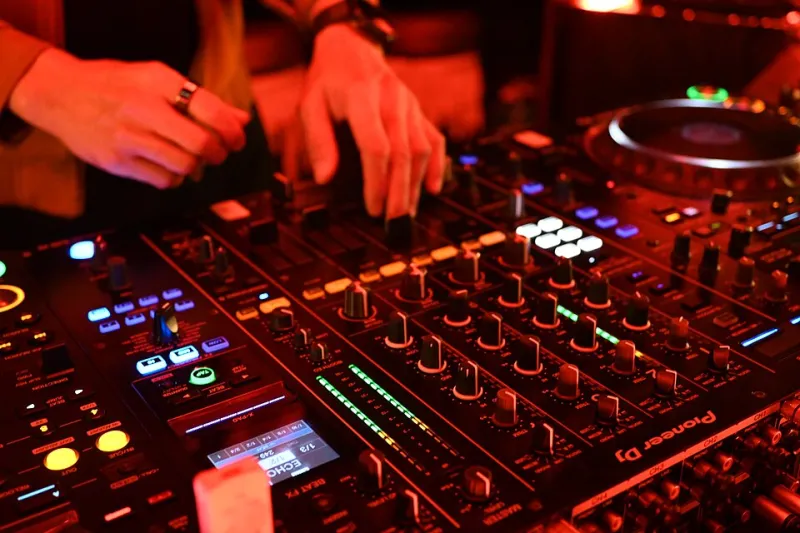
Photo: PattayaPatrol, CC BY-SA 4.0, via Wikimedia Commons
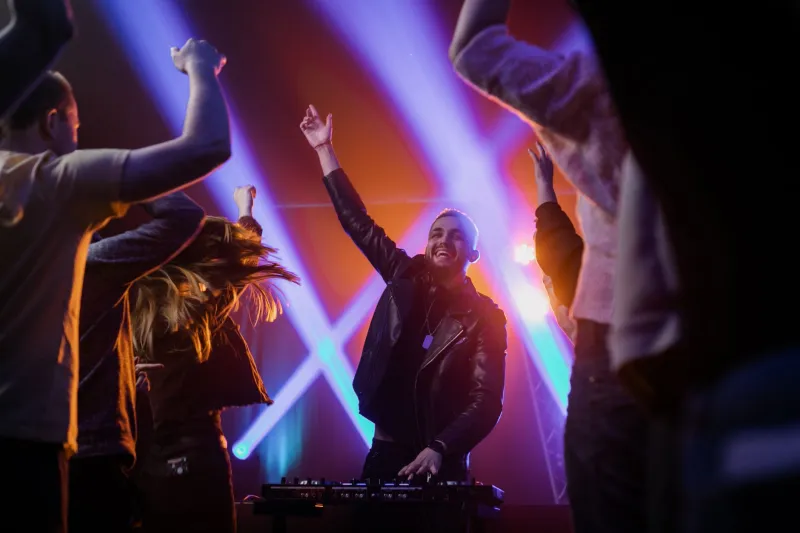
There's a moment that used to be common in American clubs and has quietly become rare enough that people film it when it happens: two records locked together, phase-perfect, breathing in and out of each other for what feels like forever. Not a cut. Not a quick EQ swap on the downbeat. A genuine, committed, nine-minute blend where neither track fully wins until the DJ decides it's time.
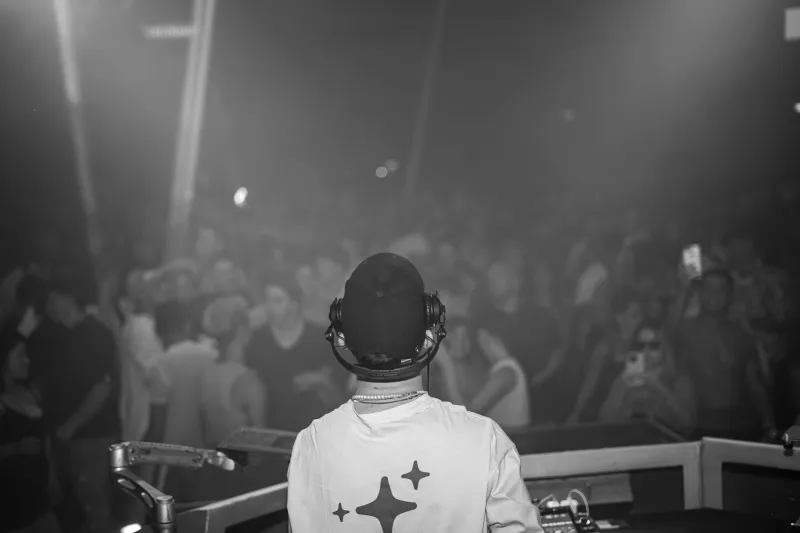
If you've felt it, you know. The floor stops being a collection of individuals and becomes one organism moving through syrup. Time gets weird. Nobody checks their phone. And the person behind the decks? They're doing the hardest, least flashy thing in electronic music.
The Ninety-Second Ceiling
Ask around and you'll hear the same frustration from booth veterans across genres. Marcus Vale, a house resident who's held down weeklies in Chicago and Detroit for over a decade, puts it bluntly: "The clip economy ruined my patience. Kids pull out their phone the second a transition starts. They want the moment, not the journey. So a lot of younger DJs stopped building journeys."
The math is unforgiving. A long blend demands two records that share a key, a groove, and a temperament — and a DJ willing to ride the tension without resolution. That's minutes of no drop, no payoff, no obvious content for the highlight reel. In an era where a set's value is often measured by how many thirty-second segments it produces, the extended mix is practically countercultural.
Drum & bass selectors feel it differently. In D&B, blends were never really the tradition — doubles culture, rewind culture, and the weight of the edit dominate. But even there, the wind is shifting. "When I do blend in D&B, I do it slow, like a dare," says Renata Cole, who plays renegade parties up and down the West Coast. "Two rollers overlapping for four minutes? People lose their minds precisely because nobody does it anymore. Scarcity is the effect."
What the Long Blend Actually Does to a Room
The physics of a patient transition aren't mystical, but they are real. Two grooves running in parallel create a kind of hypnotic interference pattern — the crowd can't lock onto a single hook, so they lock onto the pulse instead. Energy doesn't spike; it accumulates.
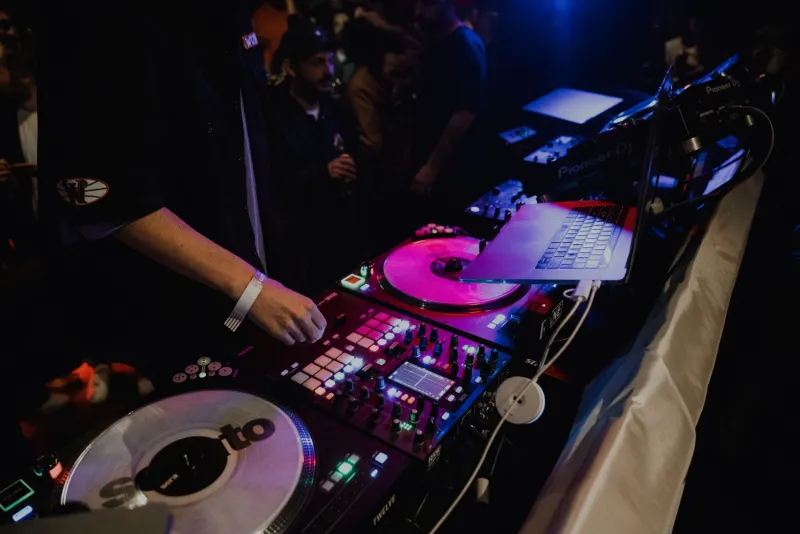
Techno DJs have understood this forever. The Detroit and Berlin lineages treat the transition as the actual music, with the individual records serving as raw material. "The blend is the composition," says Jules Amara, who runs a warehouse series in Queens. "Anyone can play a banger. Playing two records so they become a third thing that doesn't exist on Beatport — that's the craft. And it's the thing you cannot fake in a fifteen-second video."
That last point might be the heart of it. The long blend is the one element of DJing that resists the clip. You can't screenshot a hypnotic state. You had to be there, for all nine minutes, for it to mean anything. In 2025 America, that's either a fatal flaw or the last remaining reason to leave the house.
Why Younger DJs Stopped Bothered
To be fair to the newcomers, the incentives are brutal. Booking agents want recognizable IDs. Promoters want footage for the recap post. Streaming platforms reward the jump-cut edit. And learning to blend well takes years of listening to records not as songs but as tools — knowing which breakdown will sit under which vocal, which bassline will fight or fold.
There's also a knowledge gap. A generation raised on synced decks and pre-analyzed key grids can technically beatmatch without ever developing the ear for tension. The software will keep two records aligned forever; it won't tell you when the blend has stopped being interesting. That judgment — when to let go, when to push through — is the actual skill, and it only comes from hours of doing it badly in small rooms.
Vale again: "I tell every kid who asks me: record your blends and listen back the next day. Ninety seconds in you'll hear where it got boring. Then do it again, longer. That's the whole education."
The Floors That Still Want It
Here's the encouraging part: the rooms that reward patience still exist, and they're arguably growing. The after-hours circuit, the renegade warehouse scene, the Sunday-night deep-house residencies — these are economies of endurance, not spectacle. People show up for four-hour sets precisely because they want the long arc, the slow burn, the blend that makes them look at their friend and say nothing at all.
And there's a quiet competitive advantage in it. In a market saturated with DJs who can execute a flawless quick-cut, the selector who can hold a room in suspended animation for ten minutes is genuinely rare. Promoters notice. Other DJs notice most of all.
So here's the opinion, plainly stated: the long blend isn't nostalgia, and it isn't gatekeeping. It's the difference between playing music and playing a room. The clips will keep coming either way. But the next time you're on a floor and realize you've been inside one transition for six minutes without a single thought about anything else — find the booth, raise your glass, and let them cook. That person is doing the work.
Feel the frequency. Hold the blend.