The $4,000 Truth: What It Actually Costs to Own a DJ Rig in 2025
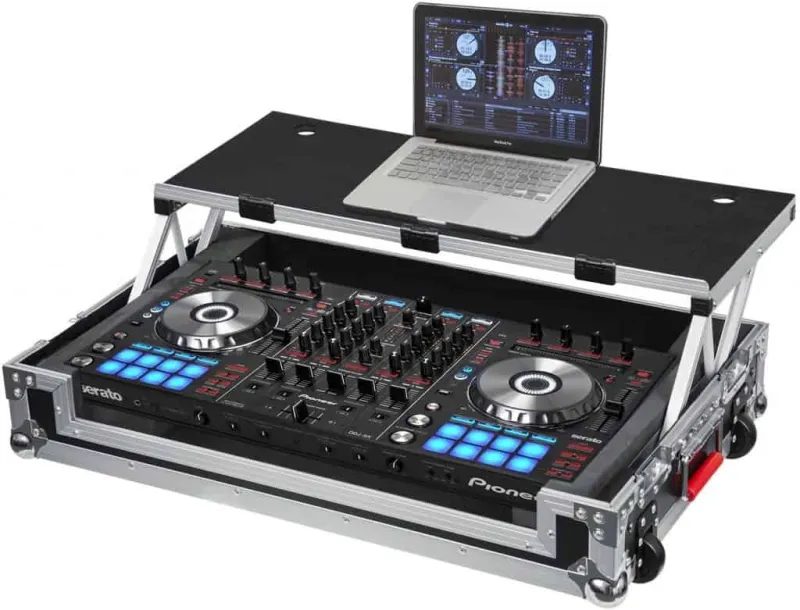
Photo: DJ equipment flight case controller cables flat lay gear setup, via djingpro.com
Let's do the math nobody puts in the YouTube gear haul videos.
You've got a laptop, a controller, and a dream. You're getting booked. Now the bookings are two hours away, then four, then a flight. Somewhere between the third weekend trip and the first airline lost-luggage horror story, the question arrives: what do I actually need to own?
We asked working DJs across the US to itemize their rigs, down to the rack rail. The numbers might sting.
The Sticker Shock Breakdown
A legitimate mobile-ready setup in 2025 breaks down roughly like this:
- Controller or standalone deck: $900–$2,500. The standalone units that don't need a laptop are where the market has moved, and they're not cheap.
- Laptop (if you still use one): $1,200–$2,000 for something that won't choke mid-transition.
- Headphones that survive touring: $150–$400, replaced roughly every 18 months if you're honest.
- Cases, cables, adapters, surge protectors: $300–$700, and this is the category everyone underestimates.
- Backup everything: Another 15–20% of your total, because the first rule of touring is that gear fails at the worst possible moment.
Add it up and you're looking at $3,000 to $6,000 before you've played a single note. Add a booth-worthy sound setup for private events and you can double it.
The Used Market Is the Real Market
Here's the part the retail numbers miss: almost nobody pays full price anymore. The secondary market — Reverb, Facebook groups, that one guy in every city with a storage unit full of CDJs — has become the de facto supply chain for working DJs.
"I haven't bought new gear since 2021," says a Chicago-based touring DJ who asked to stay anonymous because, quote, "my promoter friends will judge me." "Everything I own came from someone upgrading. The gear barely depreciates if you take care of it. It's basically a savings account with faders."
The catch: the used market has inflated too. Clean, discontinued units now sell above their original retail in some cases. Patience is a financial strategy.
The Minimalist Countercurrent
Not everyone is buying more. A vocal contingent of selectors is going the other direction entirely — one standalone unit, one pair of headphones, USB sticks, done.
The logic is compelling. Airlines charge for every extra pound. Venues increasingly provide the booth. And a smaller rig means less to insure, less to replace, less to worry about at 2 AM in a city you don't know.
"My whole rig fits in a backpack and a record bag," says one Portland selector. "I played a festival, a dive bar, and a wedding in the same month with the same setup. Nobody at any of them cared what was in the booth. They cared what came out of it."
Own Less, Play More
The through-line in every conversation: gear is a tool, not an identity. The DJs thriving in 2025 aren't the ones with the biggest flight cases. They're the ones who spent money where it counts — on reliability, backups, and the music itself.
Budget your rig like you'd budget a tour: for the worst night, not the best one. Buy used when you can, buy backups when you can't, and remember that the most expensive piece of equipment in your setup is the one that fails mid-set.
Feel the frequency. The rest is just hardware.