The Room Is the Opening Act Nobody Booked: How Spaces Make or Break a Set Before You Press Play
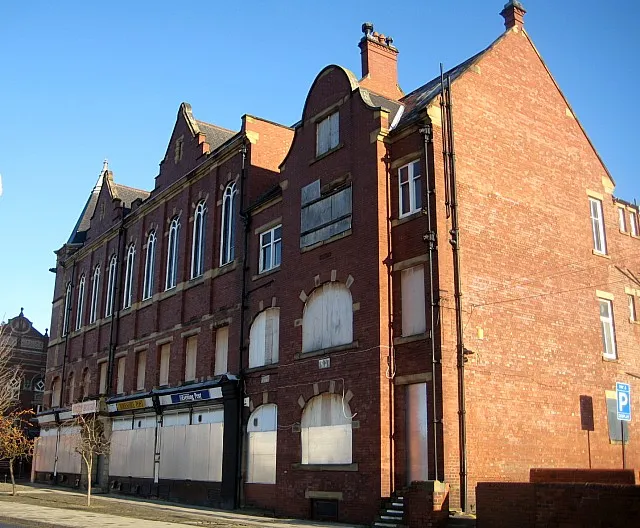
Photo: Mike Kirby, CC BY-SA 2.0, via Wikimedia Commons
There's a moment every DJ knows. You walk into the venue hours before doors, when the lights are up and the smell of last night's beer is being mopped off the concrete, and you just... stand there. You're not checking the booth. You're not testing the monitors yet. You're listening to the room itself.
Some spaces hum back at you. Others stay silent, and that silence usually tells you everything about how the night is going to go.
The Vibe Audit Nobody Writes Down
Ask a promoter how they pick a venue and you'll get the standard checklist: capacity, location, licensing, load-in. Ask them the real question — will this room dance? — and the answers get vague fast.
"You can't put it on a spreadsheet," says a longtime Brooklyn-based promoter who's thrown parties in everything from a Bushwick glass factory to a decommissioned fire station in Detroit. "I've booked the same DJ into two rooms three blocks apart and gotten two completely different nights. One of them was legendary. The other one, people stood around with their arms crossed like they were at a gallery opening."
The unscientific factors pile up quickly. Ceiling height. Whether the bar sits in the middle of the floor or tucked off to the side. Whether the crowd can see the DJ or whether the booth is buried behind a pillar like an afterthought. Even the floor itself — sprung wood gives you a bounce underfoot that poured concrete simply can't fake.
Call it the vibe audit. Nobody writes it down. Everybody feels it.
Concrete Kills, Wood Revives
There's a reason the great American underground rooms — the lofts, the old industrial spaces, the converted warehouses — almost always had one thing in common: they weren't built to be clubs. A former machine shop in Chicago or a printing warehouse in Oakland carries a texture that purpose-built nightlife boxes spend six figures trying to recreate.
"Hard surfaces reflect energy," one touring DJ told me between dates in the Southwest. "Low ceilings, brick walls, a floor with some give — the bass doesn't just hit you, it moves through the whole structure. You feel it in your teeth. In a carpeted hotel ballroom with ten-foot ceilings? That same record just dies on arrival."
That's not audiophile superstition. Room acoustics genuinely reshape how low frequencies behave, and low frequencies are the entire contract between a DJ and a dance floor. If the room eats the sub, the crowd never gets the physical invitation to move.
Density Is a Drug
Then there's the human variable: how tightly packed the floor gets.
Every DJ has a threshold number in their head — the moment the room goes from people standing around to one organism. Before that point, dancing feels like an exposed solo. After it, dancing feels like joining a current. A room that holds 300 comfortably starts popping at 180. A cavernous space that's half-empty at 1 AM will never recover, no matter what the booth does.
Smart promoters engineer this on purpose. They'll rope off sections, slow the door, even shrink the footprint of the floor itself to concentrate bodies. "I'd rather turn 80 people away from a 200-cap room than have 280 people rattling around a 400-cap space," the Brooklyn promoter says. "Density is the cheapest production value there is."
The 1 AM Problem
Here's where it gets strange: the same room can feel perfect at midnight and dead by 1 AM.
Part of it is energy cycles — crowds crest and dip no matter where you are. But part of it is architecture. Rooms with harsh overhead lighting that never quite dims right, or bar lines that back up into the dance area, or sightlines that trap the crowd facing the wrong direction — these spaces fight the night's natural arc instead of riding it.
The best rooms are built (or accidentally designed) to funnel. People flow in easily, find the floor without thinking, and stay locked in because there's nowhere else to look. The DJ reads that current and plays to it. Everyone wins.
Scout With Your Feet
So what's the advice for anyone throwing a party or taking a gig in an unfamiliar city?
Walk the room at the hour your party will peak. Stand where the crowd will stand. Look at where the light falls. Put your palm on the floor. Check whether you can hear the booth from the back corner or whether the sound dies ten feet from the speakers.
And if you can, get there early enough to do nothing but listen.
Because no rider, no booking fee, and no carefully crafted setlist can outrun a room that doesn't want to dance. The space is on the bill whether you booked it or not. Make sure it's playing for you.